Two Sisters, Two Rivers, One Vision

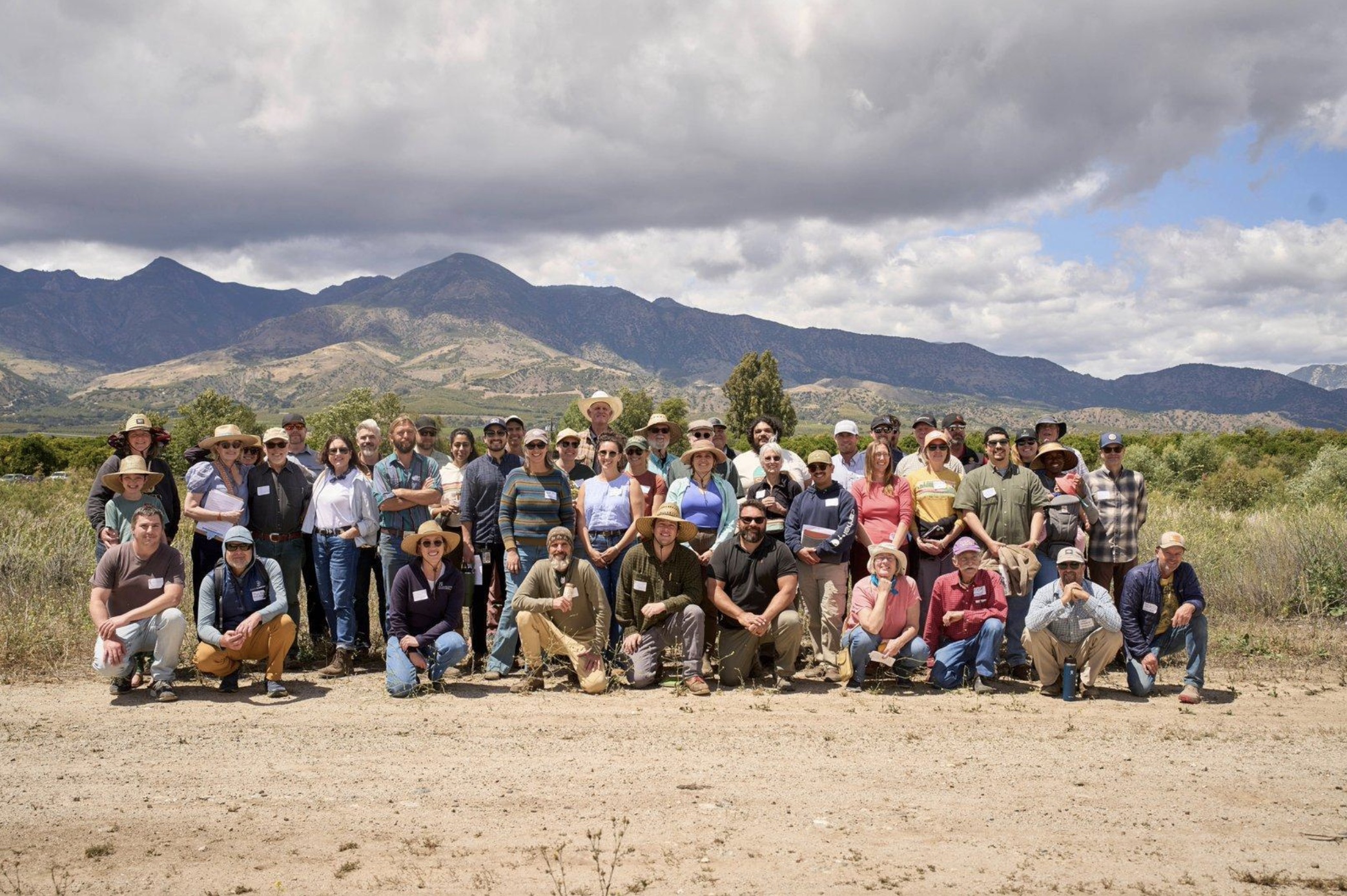
The 87 farmers, scientists, journalists, and friends who joined us for Day One of the field series on May 4, 2026.

Two Sisters, Two Rivers, One Vision

Reflections from Day One of the Regenerative Farming Series

On Monday, May 4th, 87 people came down the road to Rancho Dos Hermanas. Some had traveled a long way to walk the land with us. Some were neighbors. Some came as farmers, some as professors, some as scientists, some as journalists, some as friends — and some, in our favorite category of all, just out of curiosity about what is possible.

Whoever they were and however they got here, we were glad they came.

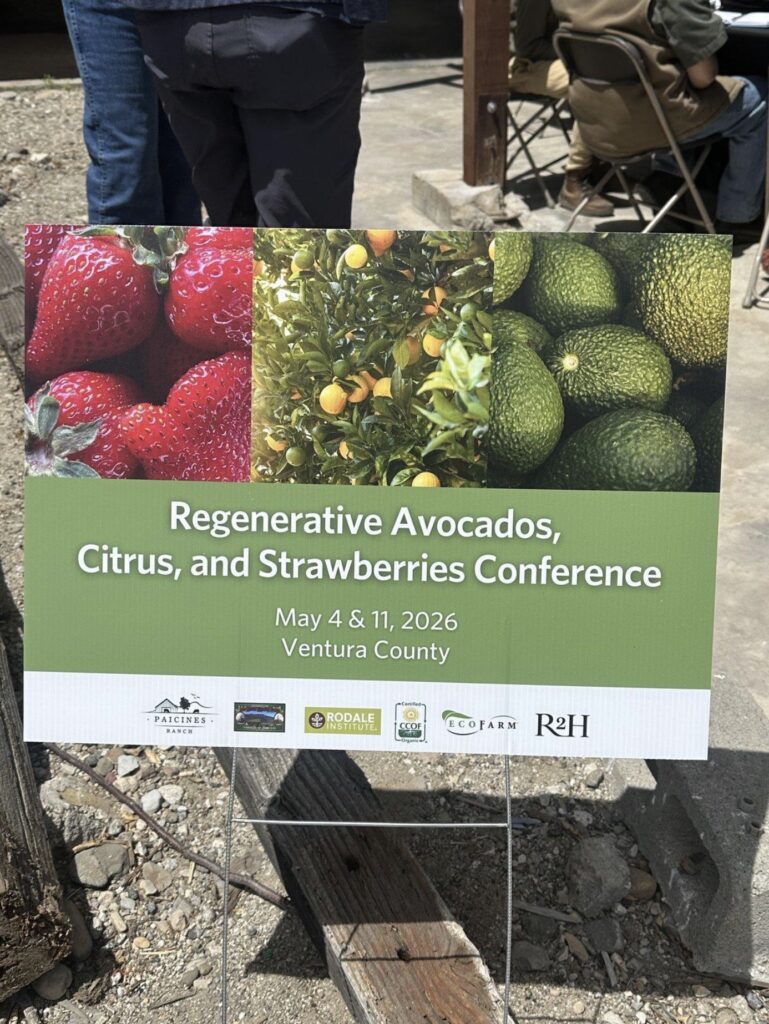
It was Day One of a two-part field series with EcoFarm — Day Two would follow on May 11 at McGrath Family Farm in Camarillo with the Rodale Institute. The series asked: Is regenerative farming the future for avocados, citrus, and strawberries in Ventura County? Our day at R2H focused on the orchard side; Day Two would turn to strawberries.

Day One of a two-part field series presented with EcoFarm, the Rodale Institute, Paicines Ranch, CCOF, and R2H.

Two Sisters, Two Rivers, One Vision

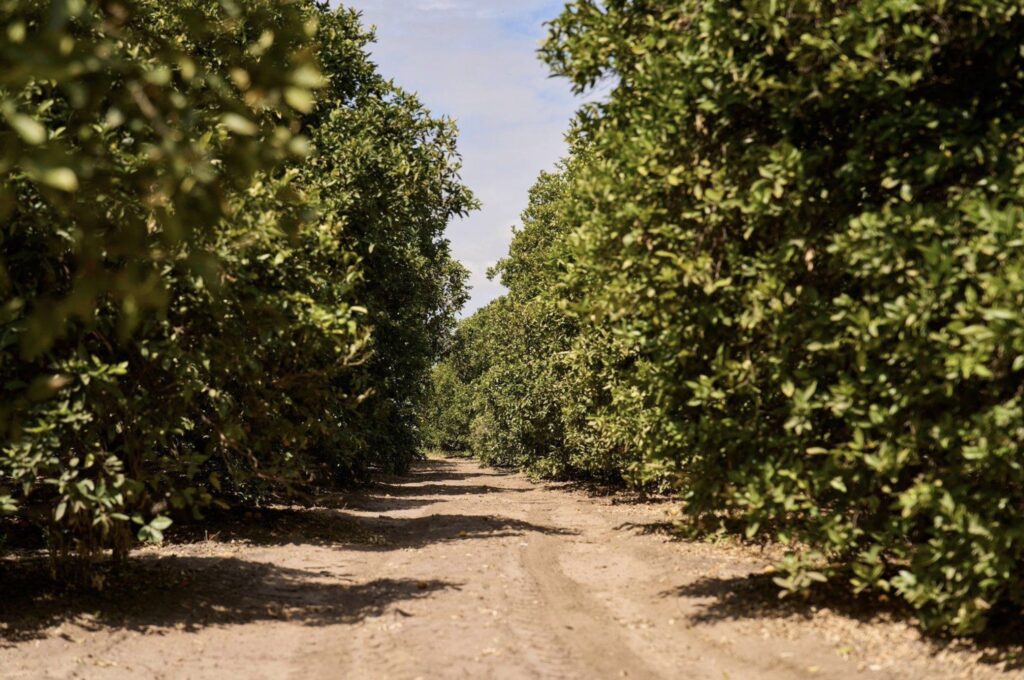
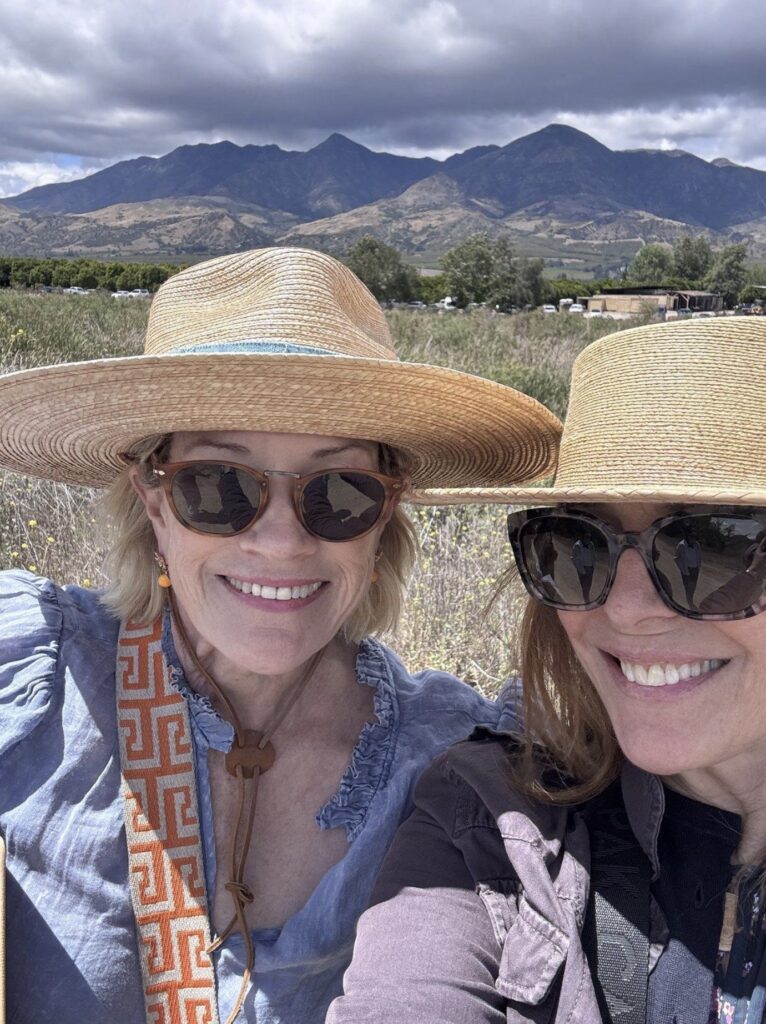
R2H sits on five hundred acres of Ventura County ground between two rivers — the Sespe and the Santa Clara. Just down the road from the ranch,

those two rivers meet at a confluence and flow together as one to the Pacific. Two rivers becoming one. Two sisters with one vision.

It is the lesson of the land itself: in nature, nothing stands alone. Soil to water, water to root, root to fruit, fruit to body, body back to soil. We are one ecosystem. We are one planet. And we have to take care of it.

Our great-great-grandfather, Dominick McGrath, settled in this valley in 1876. He noticed two things — the size of the wild mustard growing in the fields, and the richness of the soil beneath it. He stayed. Five generations later, my sister Laurie and I are still here for the same reasons.

A Word About Phil

We could not have hosted this day without our cousin Phil McGrath, who also hosted Day Two at McGrath Family Farm. Laurie and I reconnected with Phil after more than forty years in a way I still can’t quite get over.

We had been watching what Apricot Lane Farms was doing just over the hill in Moorpark. After watching The Biggest Little Farm, I signed up for a tour, met John Chester, and asked him if he could recommend someone local to help us go organic and regenerative. He looked at me and said, “You need to meet the original hippie of Ventura County regenerative farming.” I asked who. He said, “Phil McGrath.”

My cousin Phil McGrath.

As they say — nothing is an accident.

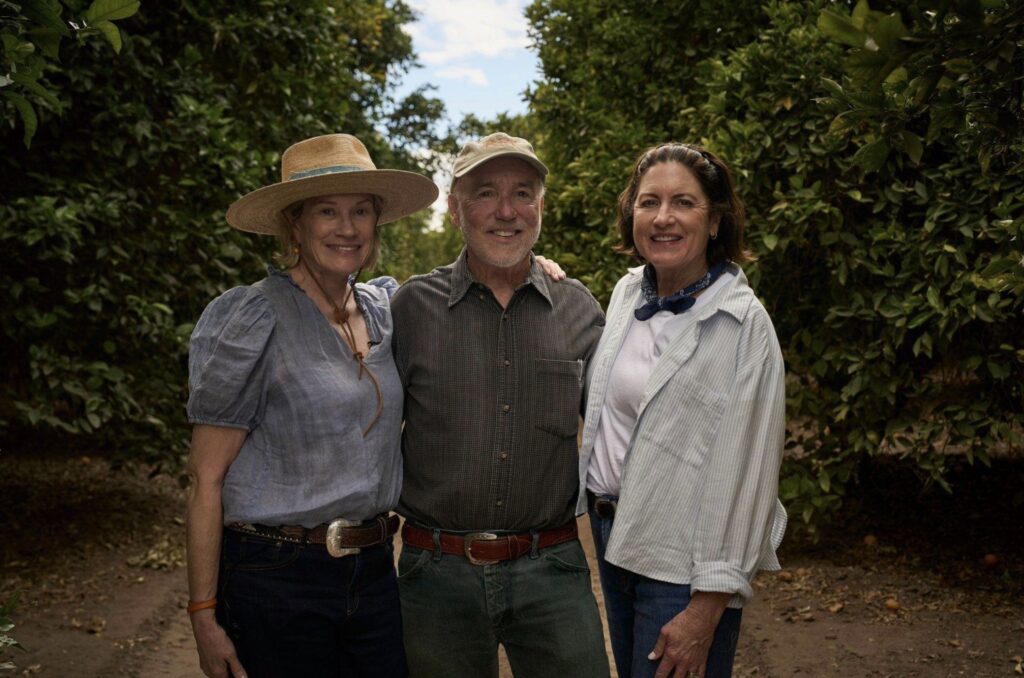
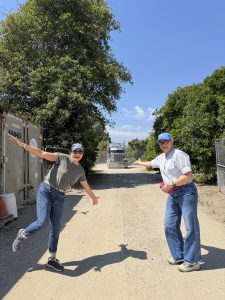
Reunited after more than forty years: Tina, cousin Phil McGrath, and Laurie.

What R2H Is, and Isn’t

When we talk about Rancho Dos Hermanas, we are not talking about a farm. We are talking about a long-term vision and a working demonstration of what is possible.

We believe the future of farmland in California is not development — it is regeneration. We believe land can be a climate solution, an economic engine, and a pathway to human health at once. And we believe the only way to prove any of that is to do it. On real acreage. With real numbers. In public.

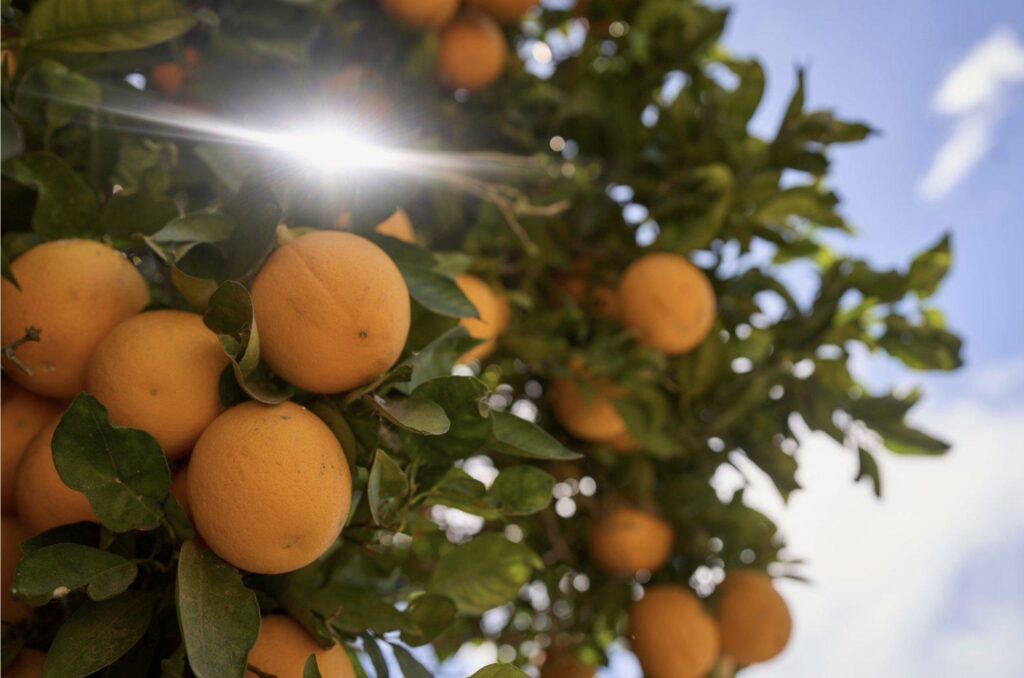
What we are building rests on four pillars: mitigation banking (four hundred acres permanently protected, with the invasive Arundo we clear here turned into biochar and returned to the soil); regenerative agriculture, as we convert conventional crops to organic; land stewardship and conservation, with education at the core; and wellness and longevity, because soil health is human health.

Five hundred acres between two rivers.

The Day

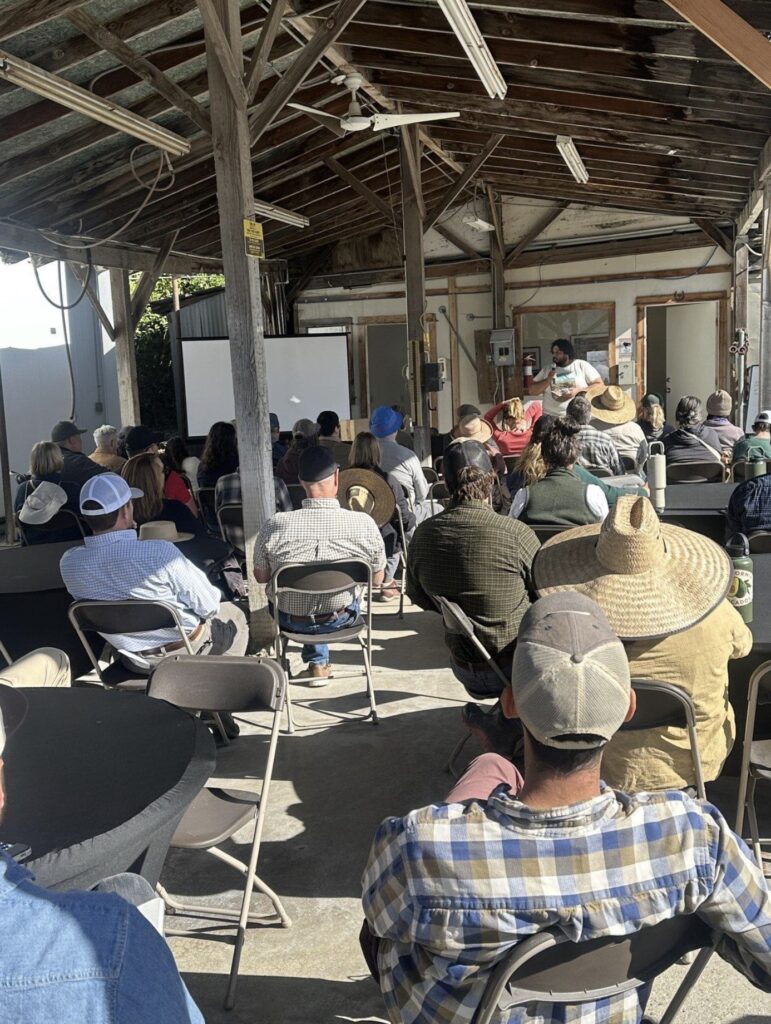
What unfolded was exactly the room we hoped it would be. We were honored to host a remarkable group of speakers and contributors, including

Dr. Jonathan Lundgren of the Ecdysis Foundation and the 1000 Farm Initiative; Tony Serrano, regenerative organic certified farmer from the Salinas Valley; researchers from Cal Poly Pomona working on diversified orchard systems; and experts in pest management, irrigation, biodiversity, and organic certification. Conversations ranged across soil health, cover cropping, integrated pest management, water stewardship, labor, and the markets that determine whether any of this scales.

The room we wanted: working farmers alongside academics, journalists, and quiet practitioners.

Working farmers shared the floor with academics. Journalists pushed panels into new territory. People quietly doing the regenerative work on their own

acres found themselves at the same tables as the field’s most cited researchers. That was the room we wanted.

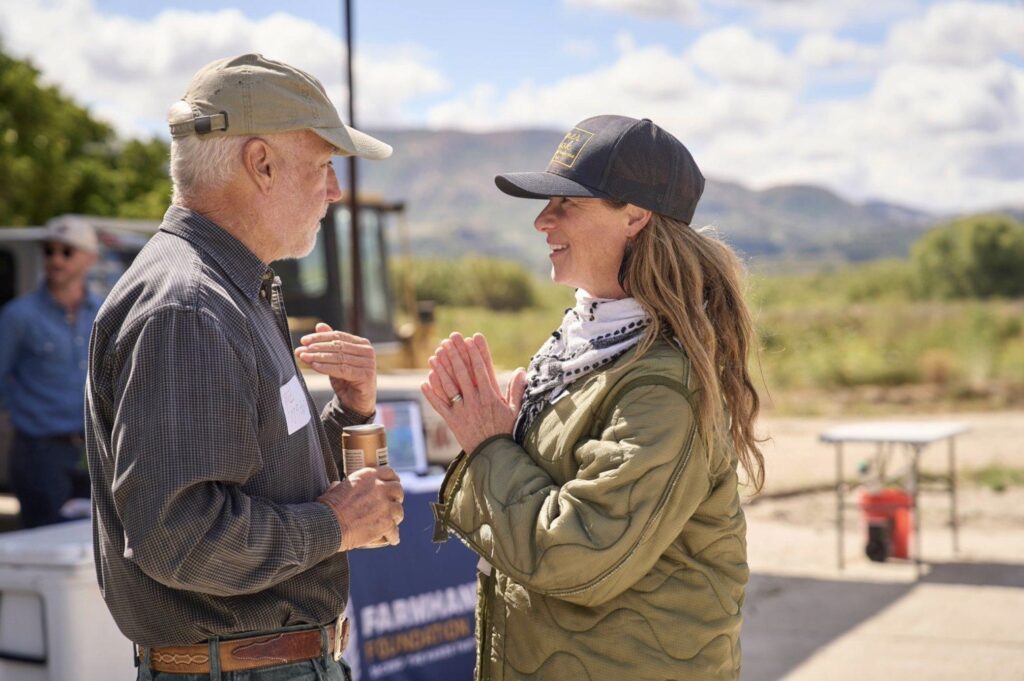
Side conversations — where the day’s real connections were made.

As our partner Carla Rosin framed it: “Our goal is to create a space where growers can share real experiences, ask questions, and learn from one another. The future of agriculture depends on collaboration — between farmers, scientists, and the broader community.”

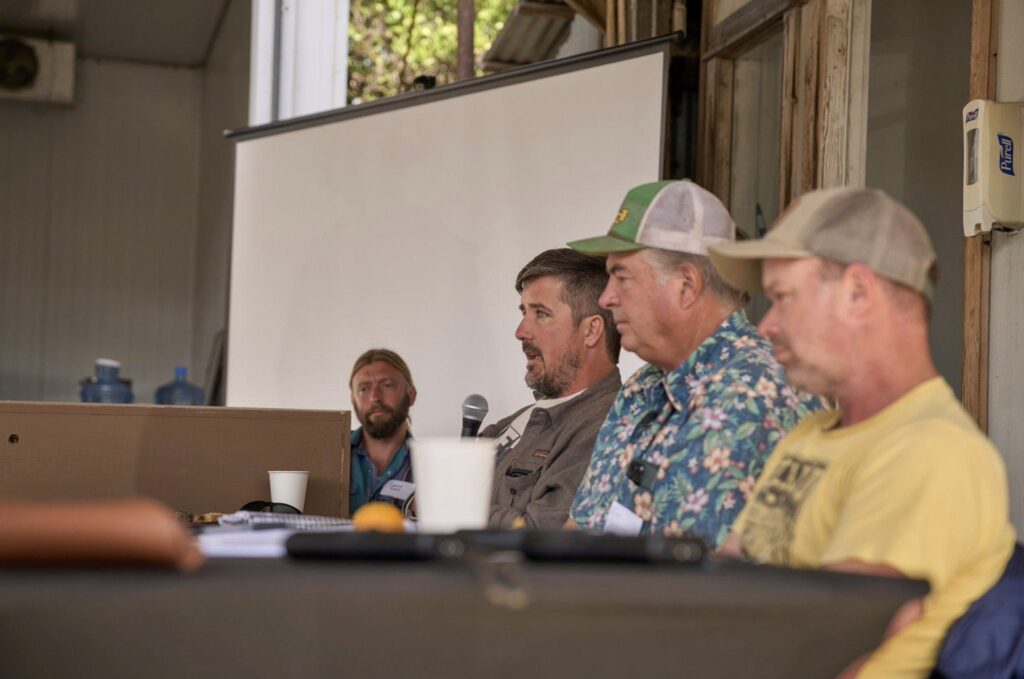
Grower panels and technical breakouts ran through the day.
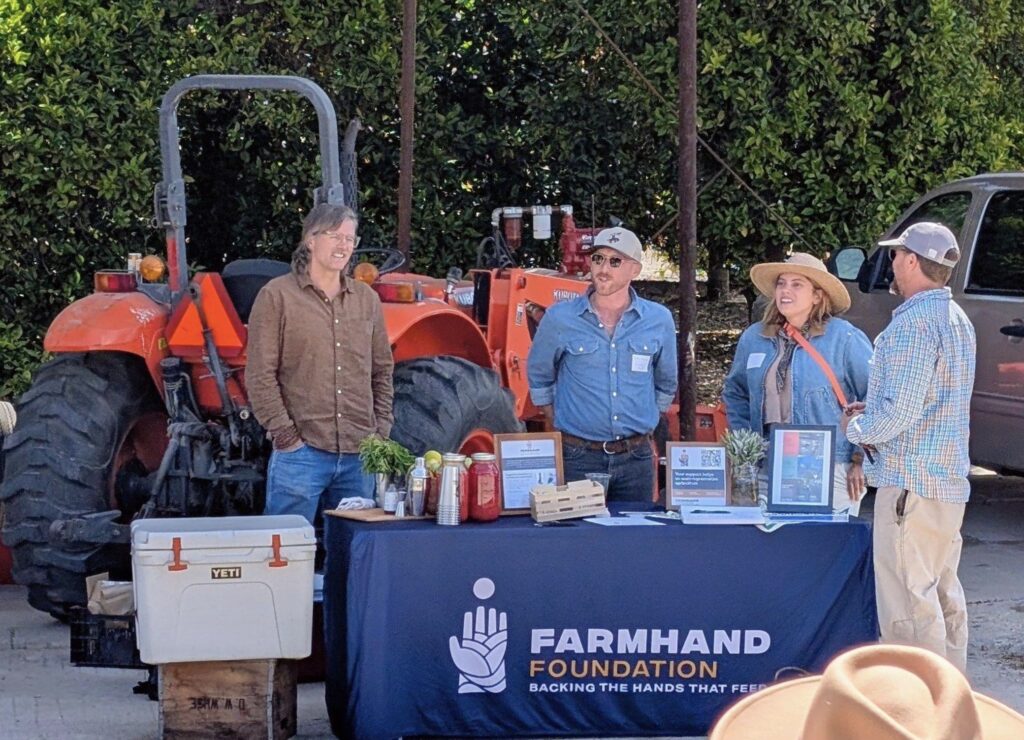
Partner organizations like Farmhand Foundation — backing the hands that feed — set up alongside the sessions.

The Hike

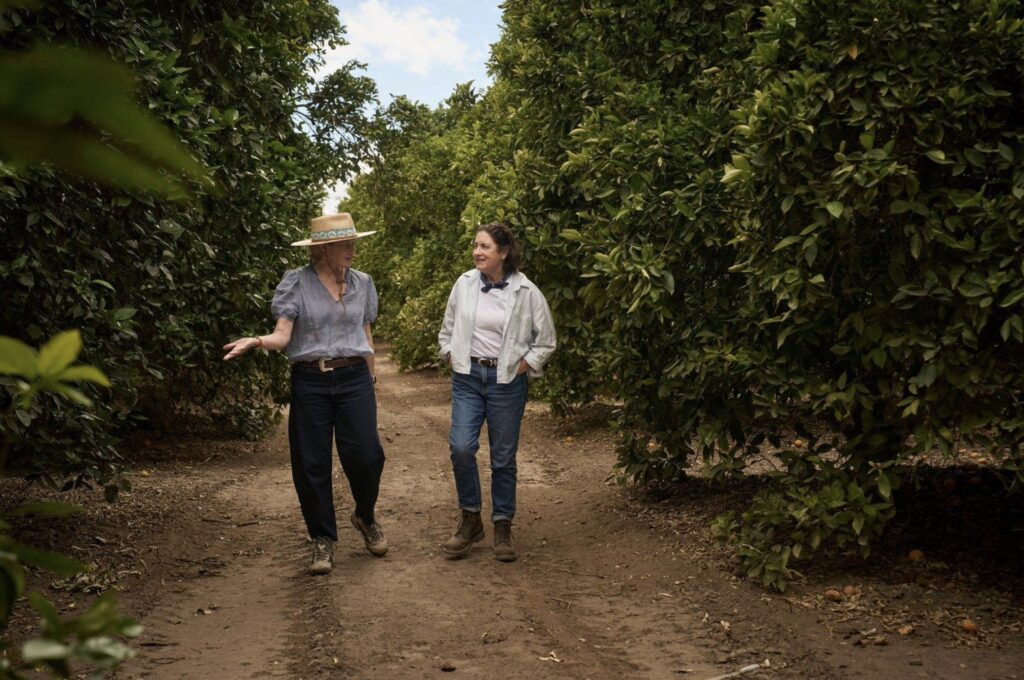
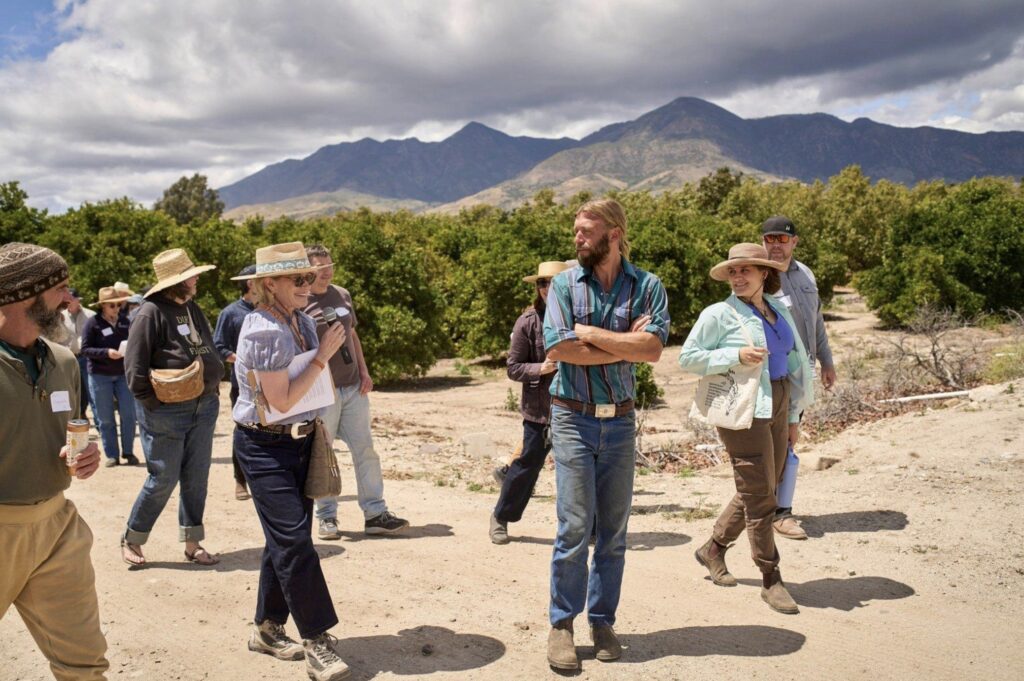
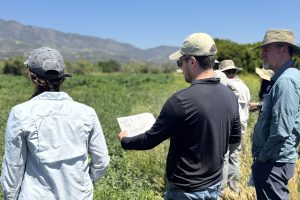
One of the most memorable parts of the day wasn’t on the agenda the way the panels were. It was the afternoon walk around the property — out across the grove, down toward the rivers, up where you can see the mountains hold the valley in place. Watching people we admire trade ideas in motion, with the land itself underfoot, did something a stage could not.

Real conversations happen when you’re walking.

Walking the property — soil, water, and conversation on the move.
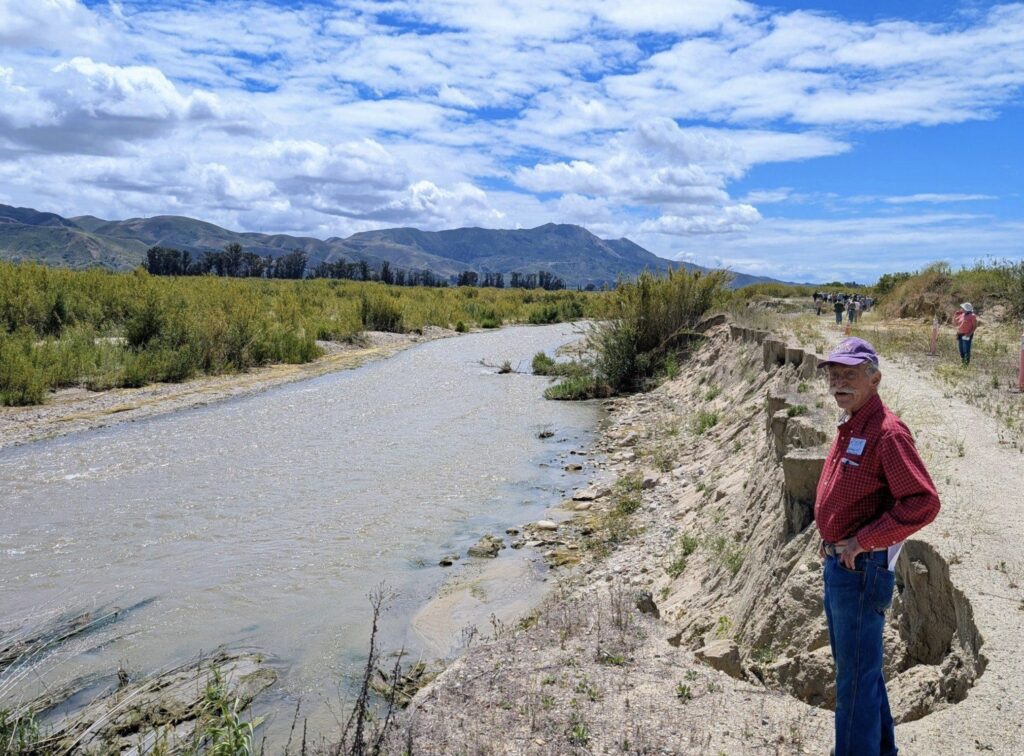
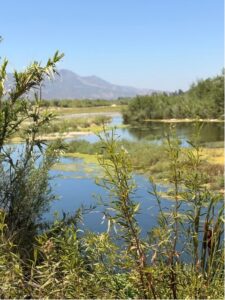
Down at the river — the Sespe and the Santa Clara meet just downstream of here.

The First of Many

We want to be clear about what May 4th actually was.

This conference was not a one-off. It is the first of many.

We see this land as two things at once. It is a preservation project — a piece of California we are committed to keeping intact. And it is also a campus — a place where people come to learn, to share, and to leave with something they did not have when they arrived.

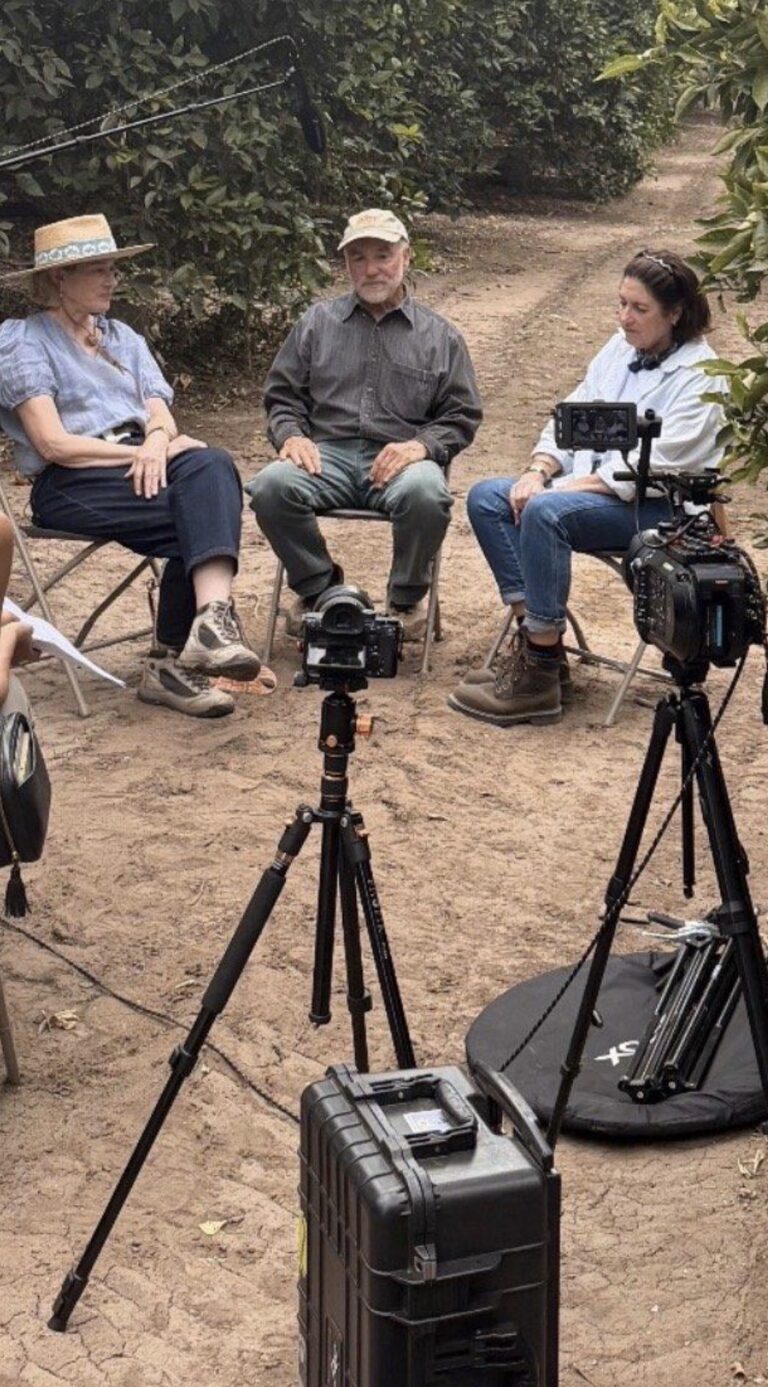
Capturing the story for a documentary we are making about R2H and the regenerative movement we are part of.

To everyone who came: thank you for being part of the first one. To our cousin Phil McGrath: thank you for the road you cleared ahead of us. To our partners at EcoFarm, the Rodale Institute, Cal Poly Pomona, and every contributor who shared their expertise: thank you for building this with us. And to my sister Laurie — there is no one I would rather build this with.

Our friend and journalist Martha McCully

Two sisters. Two rivers. One vision. One earth.

Rancho Dos Hermanas · Fillmore, California

Share:

More Posts